
Sri Lanka Gems: Sapphires, Ratnapura and a Buyer's Guide
Ceylon sapphires, the City of Gems and how to buy safely
Sri Lanka has been famous for its gems for more than 2,000 years. Ancient traders called it Ratna-Dweepa, the Island of Gems, and its sapphires have graced royal crowns and museum collections around the world. The trade is still alive today: miners dig by hand around Ratnapura, dealers trade in the old gem town of Beruwala, and jewellers in Colombo and Kandy set the stones into rings and necklaces. This guide explains what makes Sri Lankan gems special, where they come from, and how to buy one safely.
Sri Lanka's gems at a glance
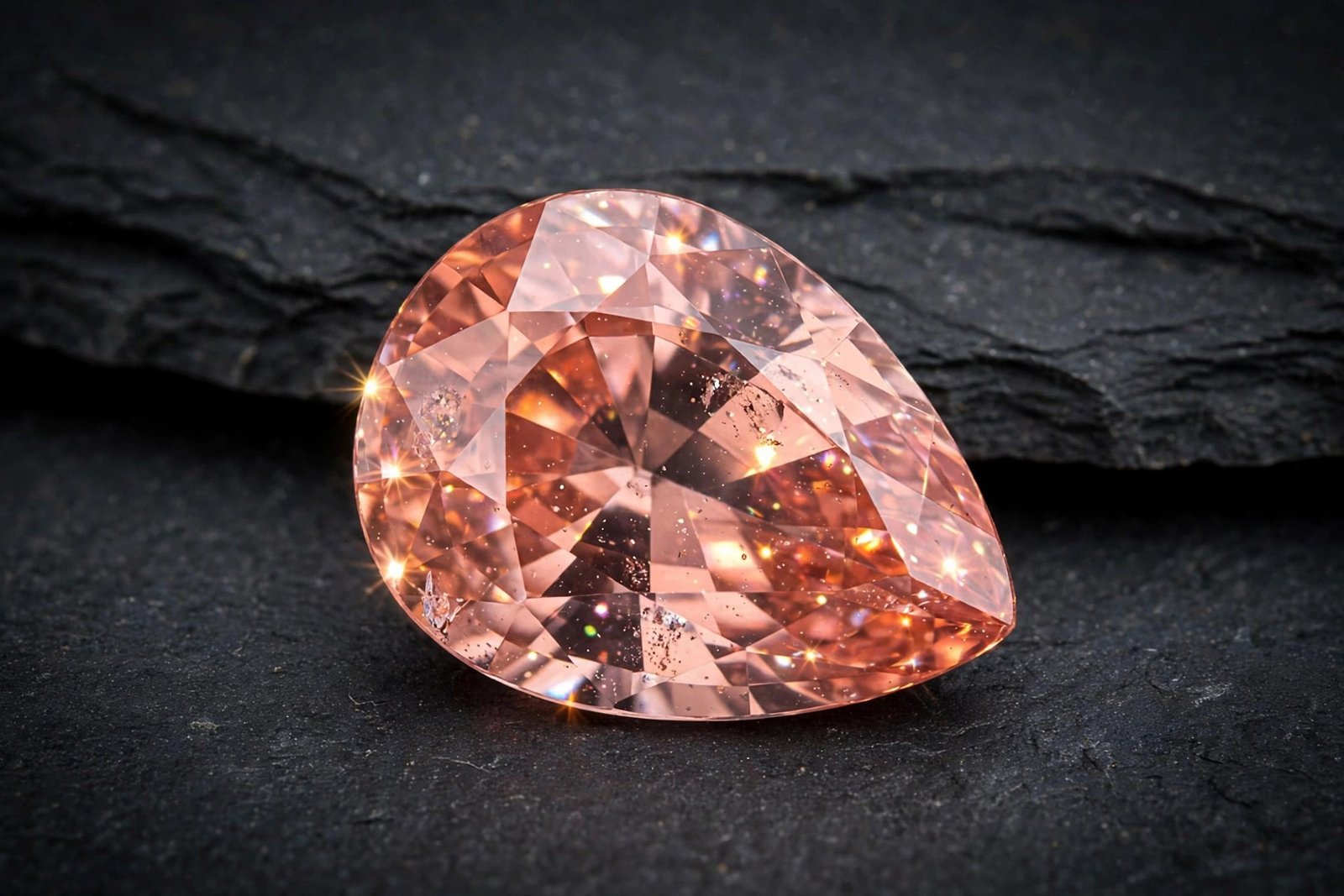
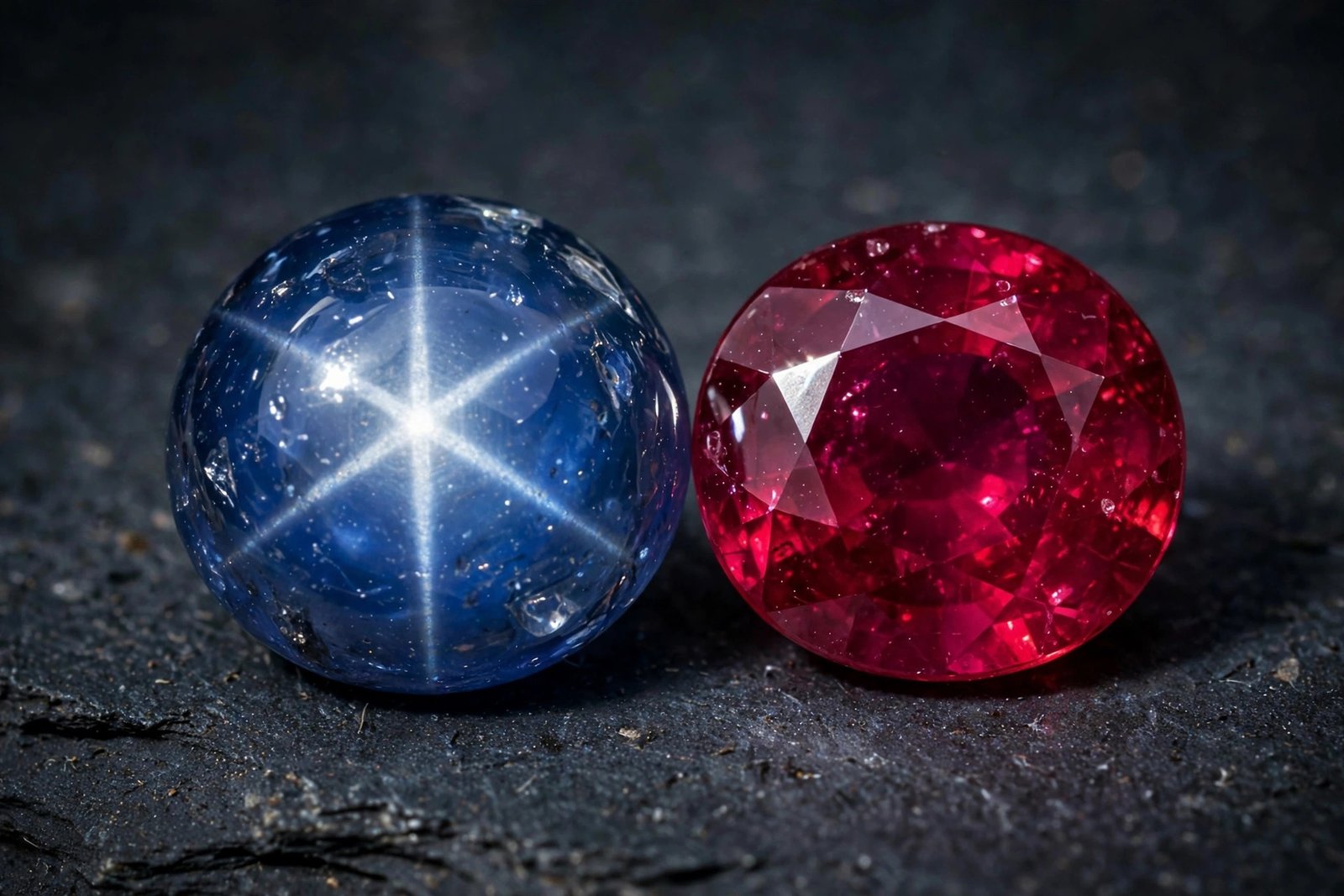
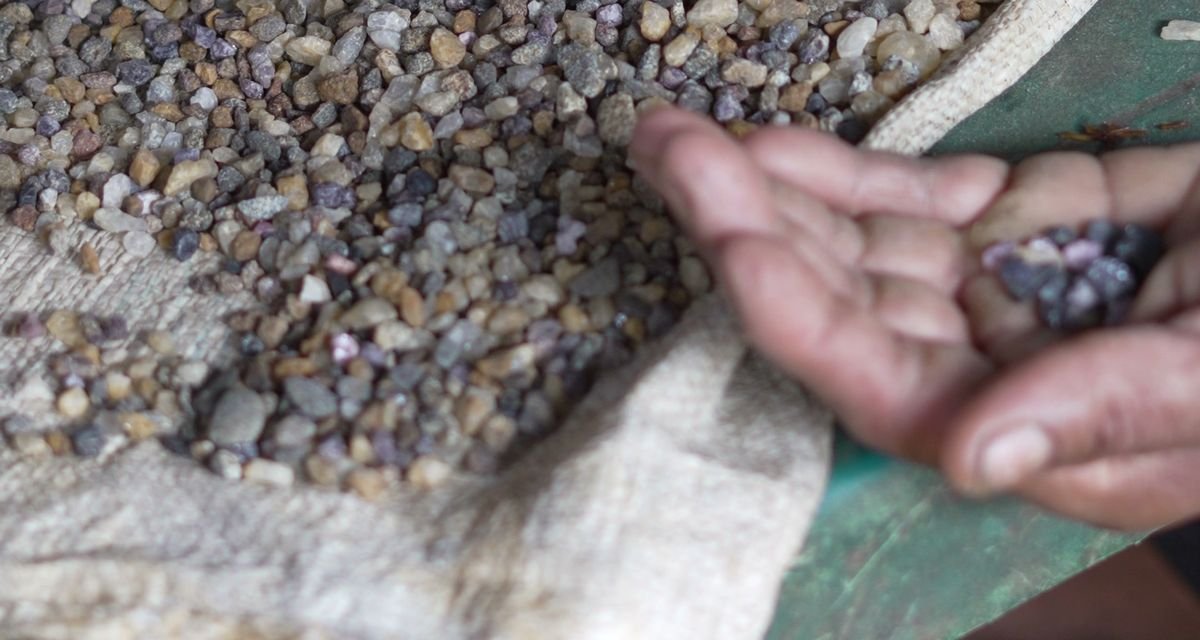
The hand-sorting photo is a real shot from a gem pit near Pelmadulla (Ilyes Makria / Joalys, Wikimedia Commons, CC BY-SA 4.0); the cut stones are illustrations of the gem types described in this guide.
Ceylon blue sapphires and padparadscha
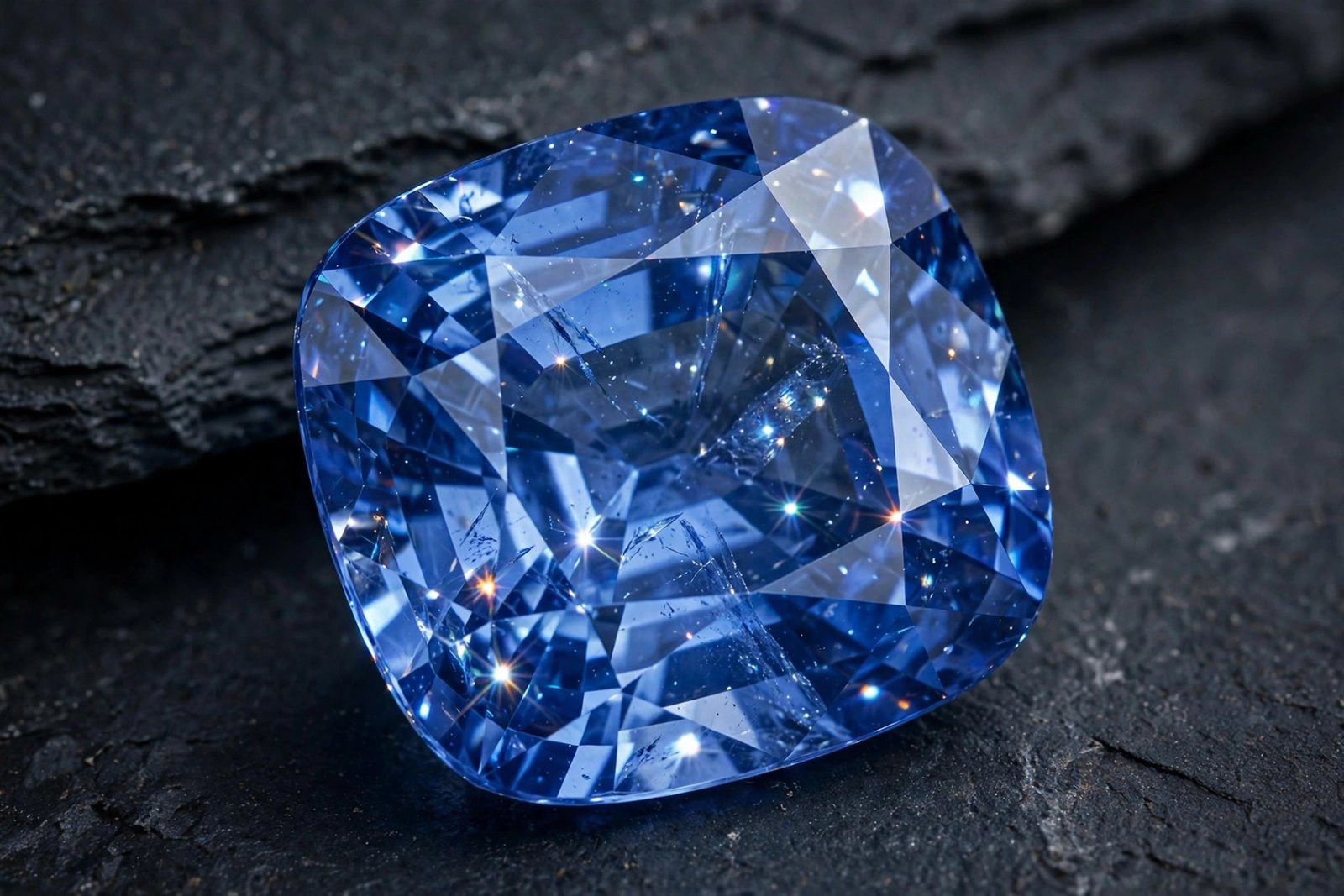
The stone that made Sri Lanka famous is the Ceylon blue sapphire. Its colour is a soft, cornflower blue — lighter and more lively than the deep blue of sapphires from other countries — and the finest stones are clear, evenly coloured and free of visible flaws. The rarest of all is the padparadscha, a delicate pink-orange sapphire whose name comes from the lotus flower; good padparadschas are among the most expensive coloured gems in the world. Sri Lanka also produces star sapphires, which show a six-rayed star when light falls on them, along with rubies, cat’s eyes, alexandrite, moonstones, garnets, tourmalines and topaz. More than forty kinds of gemstone have been found on the island, which is why gem lovers call it one of the richest gem lands on earth.
Ratnapura, the City of Gems
Most Sri Lankan gems come from around Ratnapura, a town in the wet south-west whose name means City of Gems. The stones lie in layers of gravel in old river valleys, washed down from the hills over millions of years. Ratnapura is the heart of the trade: the town has a gem museum, rows of small dealer shops, and a daily market where rough stones change hands. Visitors can watch miners at work in the pits around the town and see how a rough stone is sorted, cut and polished. A visit to Ratnapura is a fascinating half day, and it fits easily into a tour of the south or the hill country.
How gems are mined
Gem mining in Sri Lanka is still mostly done by hand. Miners dig narrow pits, sometimes ten metres deep, through the soil to the gem-bearing gravel layer, then haul the gravel up in baskets and wash it in nearby streams. The washing is done by eye and by feel: experienced washers can spot a rough sapphire or garnet among the pebbles. The work is hard, wet and muddy, and it is done by small teams of licensed miners rather than big machines. Because the pits are small and hand-dug, mining leaves a much smaller mark on the land than industrial mining — and when a pit is finished, it is filled in and the land is returned to farming.
The gem trade: Beruwala and Colombo
From Ratnapura the rough stones travel to the dealers. The historic trading town is Beruwala, on the west coast, where the China Fort area has been a gem market for centuries; dealers from around the world still come here to buy. In Colombo, established jewellers on Galle Road and in the Pettah area cut, polish and set the stones, and sell finished jewellery. Kandy has its own gem shops near the lake, popular with visitors to the Temple of the Tooth. Wherever you buy, the trade is the same: stones are weighed in carats, priced by colour and clarity, and sold with a certificate.
How to buy safely
A gemstone is a serious purchase, so buy it the right way. First, buy only from a licensed, reputable dealer — a proper shop with a name and a long history, not a stranger on the street or a driver who offers to take you to a “special” shop. Second, always ask for a certificate from the National Gem and Jewellery Authority (NGJA) or another independent laboratory, and check it matches the stone: weight, colour and any treatment. Natural, untreated stones cost more than treated ones, and the certificate should say so. Third, be suspicious of prices that seem too good to be true — a flawless large blue sapphire for a few hundred dollars is not real. Compare prices in two or three shops, pay by card where possible, and keep the certificate and receipt for customs. A genuine dealer will never rush you.
Where to see and buy gems
The best places to see the gem world are Ratnapura, for the museum and the pits; Beruwala, for the dealer shops of China Fort; Colombo, for established jewellers; and Kandy, for small shops near the Temple of the Tooth. If you only have time for one stop, make it Ratnapura: the museum explains the stones, and a pit visit shows you where they come from. Ask for a licensed dealer, take your time, and do not feel obliged to buy.
Add a gem visit to your tour
We can add a Ratnapura gem visit to any tour that passes through the south or the hill country — a museum stop, a pit visit and time with a licensed dealer, with no obligation to buy. Just mention it when you book, or message us on WhatsApp and we will fit it into your itinerary.