
Jaffna
Sri Lanka's northern capital — Hindu temples, quiet islands and a culture all its own.

Jaffna feels like a different country from the rest of Sri Lanka — and that is exactly why travellers love it. This is the capital of the Tamil north: golden Hindu temples, palmyra palms, quiet islands and a food culture built on crab curry and dosa. Far fewer visitors come here than to the south coast, so the temples, markets and beaches still feel like they belong to the people who live here. Come for Nallur Kovil and the fort, stay for the islands — Nainativu, Delft and the coral-stone stupas of Kadurugoda — and the warm mineral spring at Keerimalai.
Hidden Gems
- Jaffna Library — rebuilt after the war, a proud symbol of the city and a fine example of northern architecture.
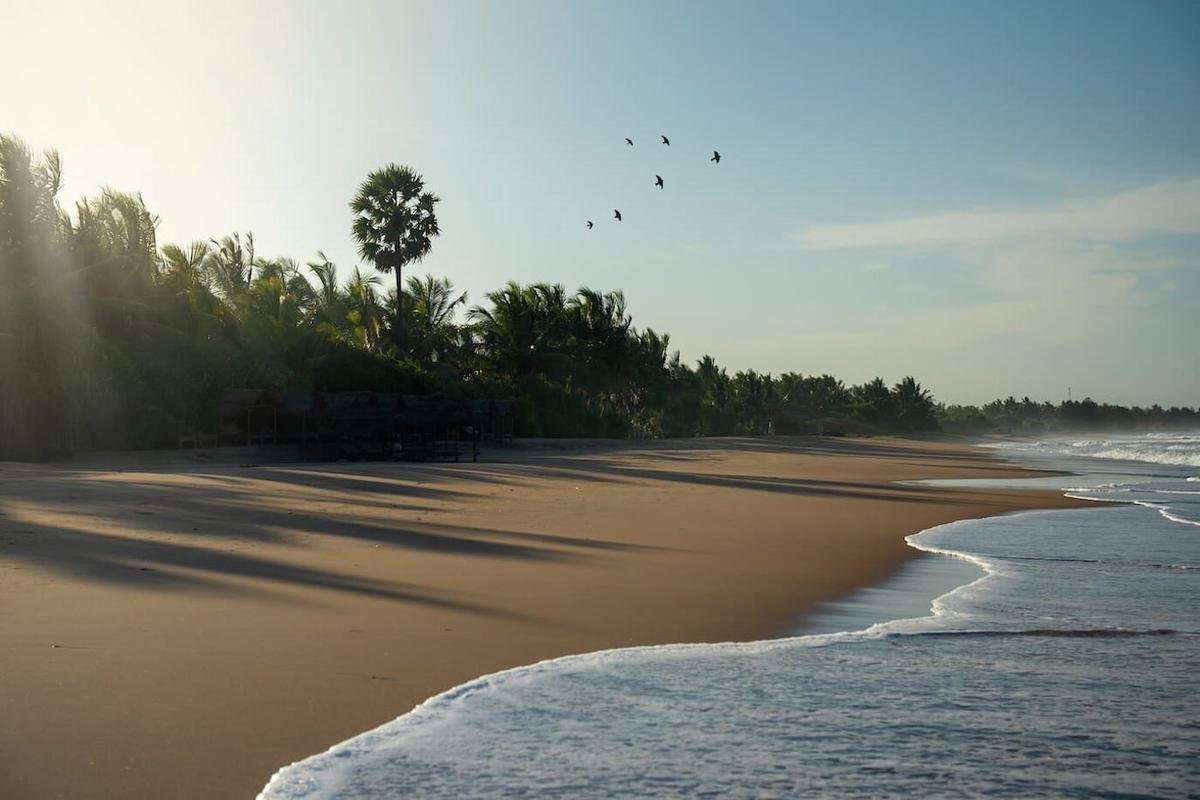
- Casuarina Beach — the peninsula's best beach: white sand, shallow water and shade from casuarina trees.
- Jaffna Market — a colourful maze of northern produce, especially palmyra products, mangoes and sweets.
- Point Pedro — the northernmost point of Sri Lanka, and the closest place in the country to India.
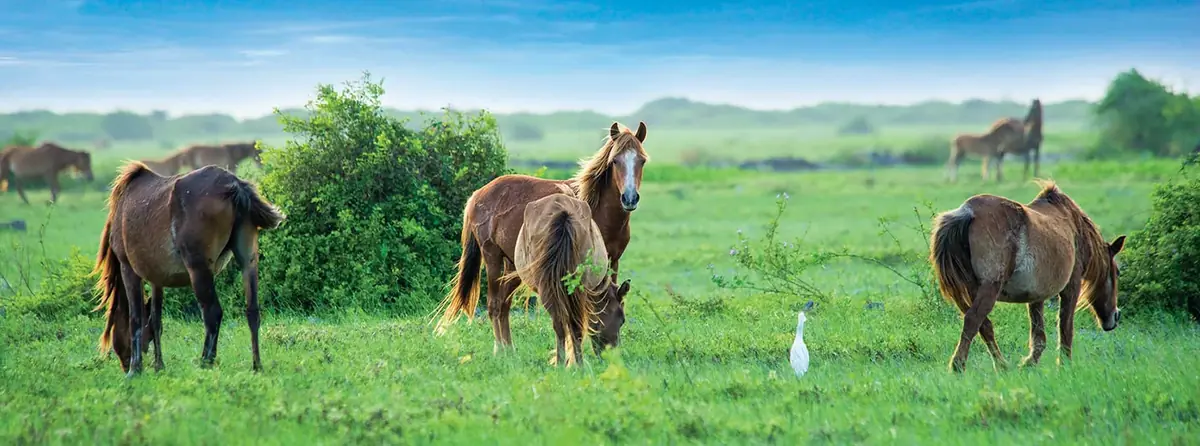
- Delft Island — wild horses, an ancient baobab tree and a small fort built from coral stone, reached by ferry.
Best Times to Visit
Jaffna is at its best from January to September, when the north is dry, sunny and hot. The north-east monsoon brings rain from October to December, so plan temple and island days for the dry months. The liveliest time to visit is the Nallur festival, which runs from mid-August to mid-September — in 2026 it falls on 16 August to 12 September — when the temple town fills with music, processions and pilgrims.
Weather
Expect hot, dry days most of the year, usually around 29–31°C, with a sea breeze on the coast. The north-east monsoon brings rain from October to December. Check the live forecast on the Met Office Jaffna forecast page before you travel.
Top Attractions
Jaffna's great sights are its temples and its islands: a golden kovil in the heart of town, a Dutch fort on the lagoon, sacred islands a short boat ride away and an ancient port where Buddhism first reached the island. Also worth your time are the seaside spring at Keerimalai and the coral-stone stupas of Kadurugoda. The last card below is Trincomalee, the next stop east on our northern tour.
Nallur Kandaswamy Kovil
The most famous Hindu temple in Jaffna, rebuilt in 1734, with golden towers that dominate the town. It hosts the Nallur festival, the longest festival in Sri Lanka.
View tours →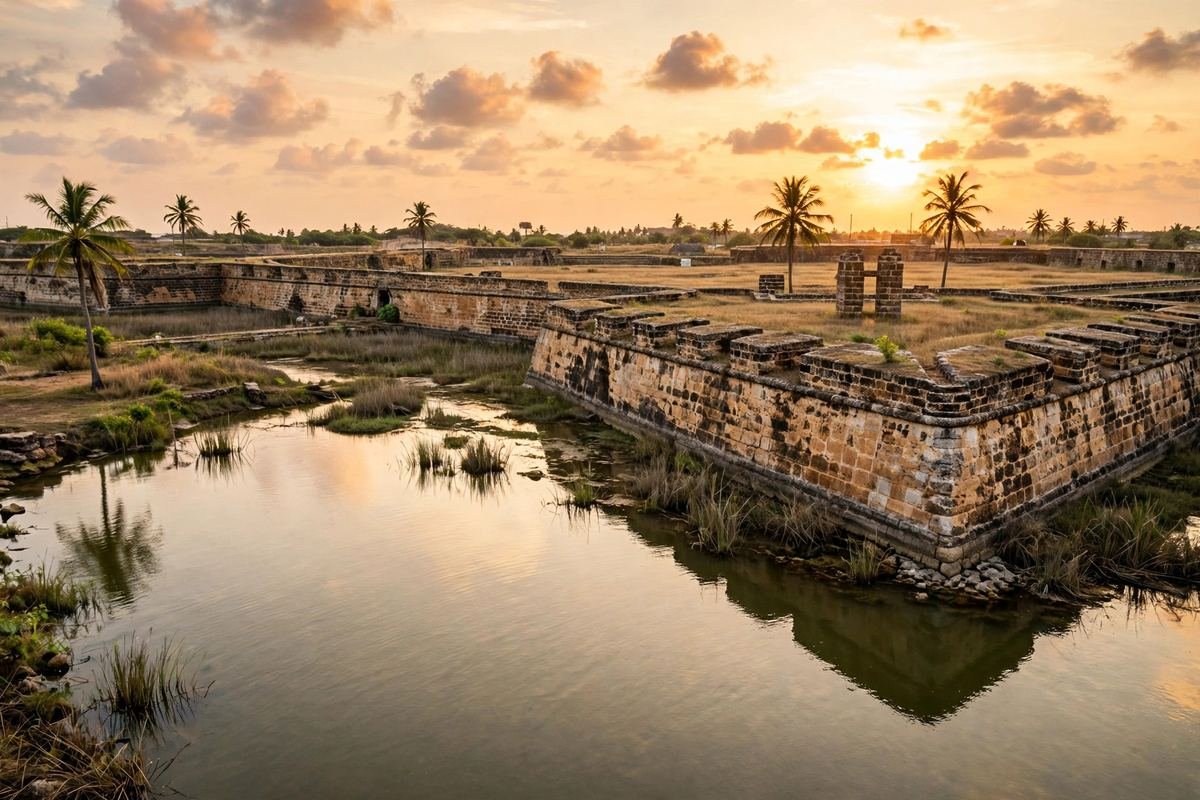


Where to Shop
There are no big malls in Jaffna — the shopping is the market. Jaffna Market and the street vendors sell juicy Jaffna mangoes, sweets, fresh produce and palmyra products: woven baskets, mats and palmyra sweets that make good gifts to take home.
Where to Eat
Jaffna's food is Tamil food with a northern accent — fiery crab curry, dosa and idli, and seafood straight off the boats. Local favourites include Mangos, Malayan Café, Cosy Restaurant and Green Grass, and most stays in town serve a proper northern breakfast of string hoppers and curries.
Top Accommodations
Jaffna has small boutique stays, city guesthouses and family-run accommodation rather than big resorts. We arrange your stay as part of our northern tour, and the nearest city on our accommodation pages is Anuradhapura, on the road south from Jaffna.
Location Gallery



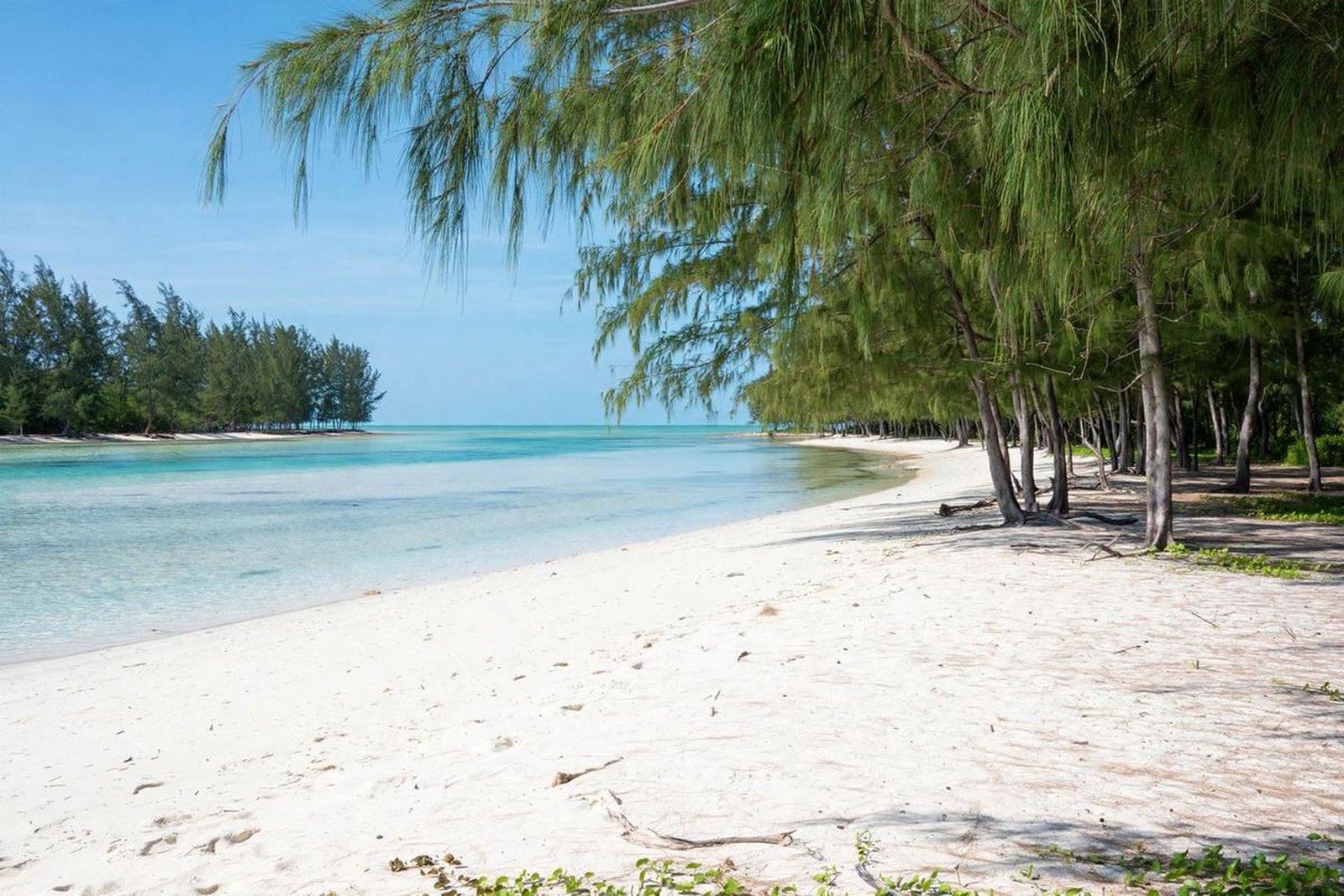
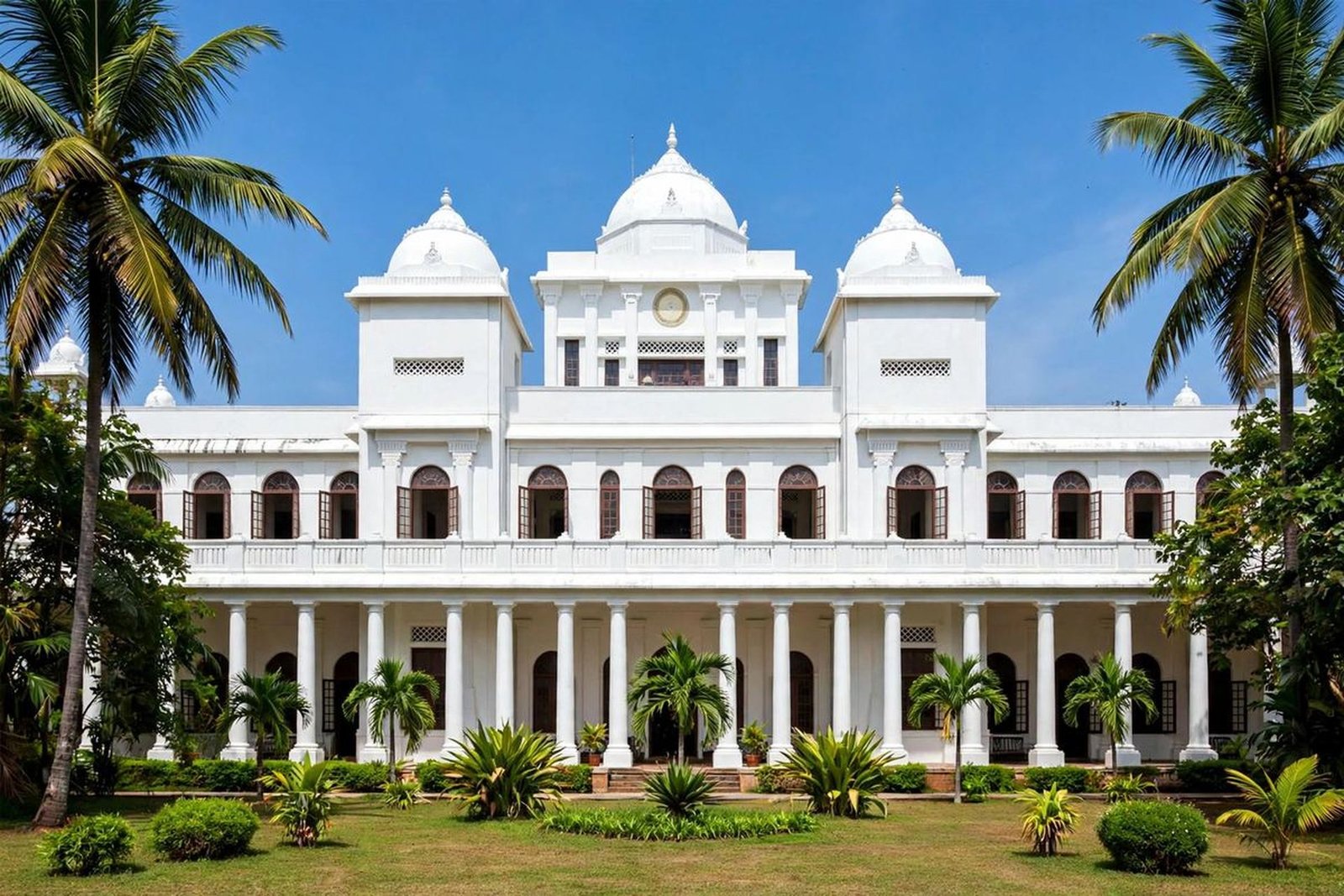
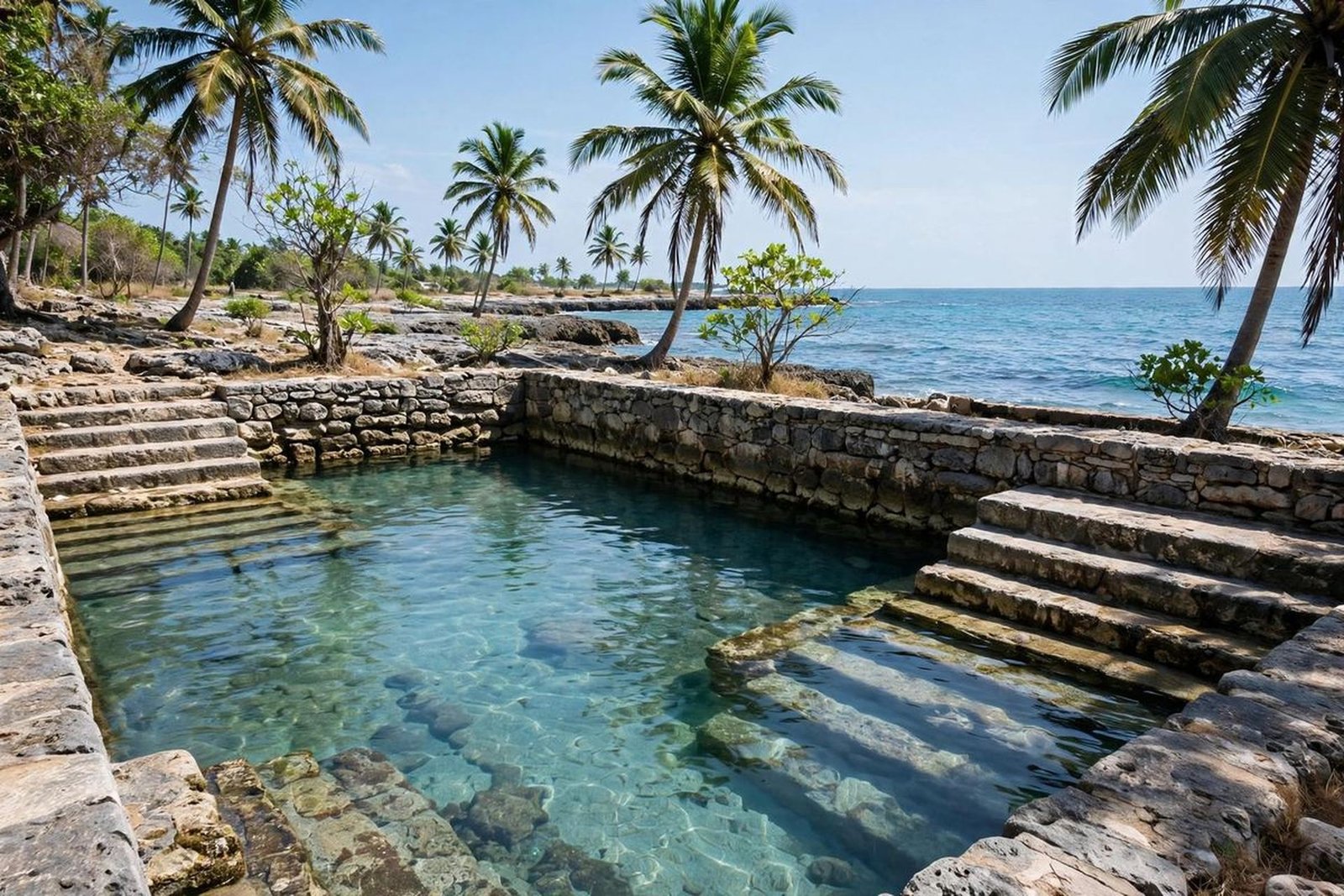
Photo credits go to the respective photographers.
Getting there
Jaffna is about 400 km north of Colombo — roughly 7 to 8 hours by road. The classic way to arrive is the Yal Devi train from Colombo Fort, a slow and scenic ride of about 7 hours. You can also fly into Jaffna International Airport at Palaly from Chennai. Once here, the town is easy to explore by tuk-tuk, and the islands are reached by ferry and local boat.
Good to know
- Dress modestly at temples — cover your shoulders and legs and remove your shoes before entering.
- Tamil is the main language here; English is widely understood in town and at places that serve visitors.
- The north sees far fewer tourists than the south — carry some cash, as smaller shops and stalls do not take cards.
- During the Nallur festival the town is busy and stays fill up — book ahead if you travel in August or September.
Tours that visit Jaffna
Jaffna is the highlight of our northern tour, which also visits Anuradhapura, Mannar, Trincomalee and Sigiriya.