

Polonnaruwa, the island's second ancient capital, is the easiest of the old cities to explore — a compact spread of palaces, pools and the famous Gal Vihara rock Buddhas, best seen by bicycle. It pairs perfectly with Sigiriya and a Minneriya elephant safari.
History & culture
Polonnaruwa became the capital in the 11th century and reached its peak under King Parakramabahu I in the 1100s, whose engineers built the vast Parakrama Samudra reservoir — the sea of Parakrama. The city's palaces and shrines and the Gal Vihara Buddhas are masterpieces of medieval Sinhalese art, protected today as a UNESCO World Heritage Site.
Hidden Gems
- Pothgul Vihara — a dagoba-shaped building thought to have stored the monastery's sacred books.
- Royal Palace complex — the ruined palace of Parakramabahu I, including the Audience Hall where the king held court.
- Shiva Devalaya 2 — a 10th-century Hindu temple, the oldest in the city, built by the Chola rulers.
- Gal Potha — the longest stone inscription in Sri Lanka, carved to resemble a palm-leaf manuscript.
- King's Council Chamber — each minister's name is inscribed on the stone pillars where they once sat.
- Archaeological Museum — artefacts and scale models of the original buildings, best visited before you enter the ruins.
Best Times to Visit
Polonnaruwa is a year-round destination, with May to September the driest months. October to December is the rainy season. Start early to beat the heat, then combine the ruins with an afternoon elephant safari at Minneriya or Kaudulla.
Weather
Polonnaruwa sits in the dry zone, so days are hot and sunny for most of the year, with heavier showers from October to December. Early mornings are the most pleasant time to cycle the ruins. Check the live 7-day forecast for Polonnaruwa on forecast7.com →
Top Attractions
Polonnaruwa packs hundreds of monuments into one walkable park — rock Buddhas, circular shrines, a giant stupa and a palace, all shaded by tall trees. These are the places our guests enjoy most here.

Gal Vihara
Four Buddhas carved from a single granite rock face in the 12th century — a seated, a standing and a reclining figure, plus a smaller shrine. It is the finest stone carving in Sri Lanka, and the quiet heart of Polonnaruwa.
View tours → Gal Vihara
 VatadageRankoth Vehera
 Thivanka Image House
 Nissanka Latha Mandapaya
 Sathmahal Prasada
 Royal Palace
 Audience Hall
 Swimming Pool
 Pabalu Vehera
 Lankatilaka
- The Royal Palace and Audience Hall of King Parakramabahu I.
- The Lankatilaka shrine and its giant standing Buddha.
- Parakrama Samudra, the great reservoir — the sea of Parakrama.
- Cycle the ruins, then an afternoon elephant safari at Minneriya.
Where to Shop
Shopping choices are limited here. The town covers basic groceries and everyday essentials, and small stalls near the ruins sell souvenirs and cold drinks — but there are no fancy shops, so bring what you need and save the shopping for Kandy or Colombo.
Where to Eat
Most restaurants in Polonnaruwa serve local dishes: rice and curry, and fresh reservoir fish, a local speciality. Try Jaga Food, Gami Gedara and Thidas Arana in town, or eat at Hotel Sudu Araliya and Hotel Mahanuge — both also on our accommodations list.
Top Accommodations
Most travellers stay in Sigiriya, Dambulla or Habarana and visit Polonnaruwa as a day trip, but small accommodations also line the road near the ruins and the reservoir. Among the places our guests stay are Hotel Sudu Araliya, Hotel Mahanuge and Tishan Holiday Resort. See the full list of places to stay in Polonnaruwa, with photos and prices, on our accommodations page.
Location Gallery


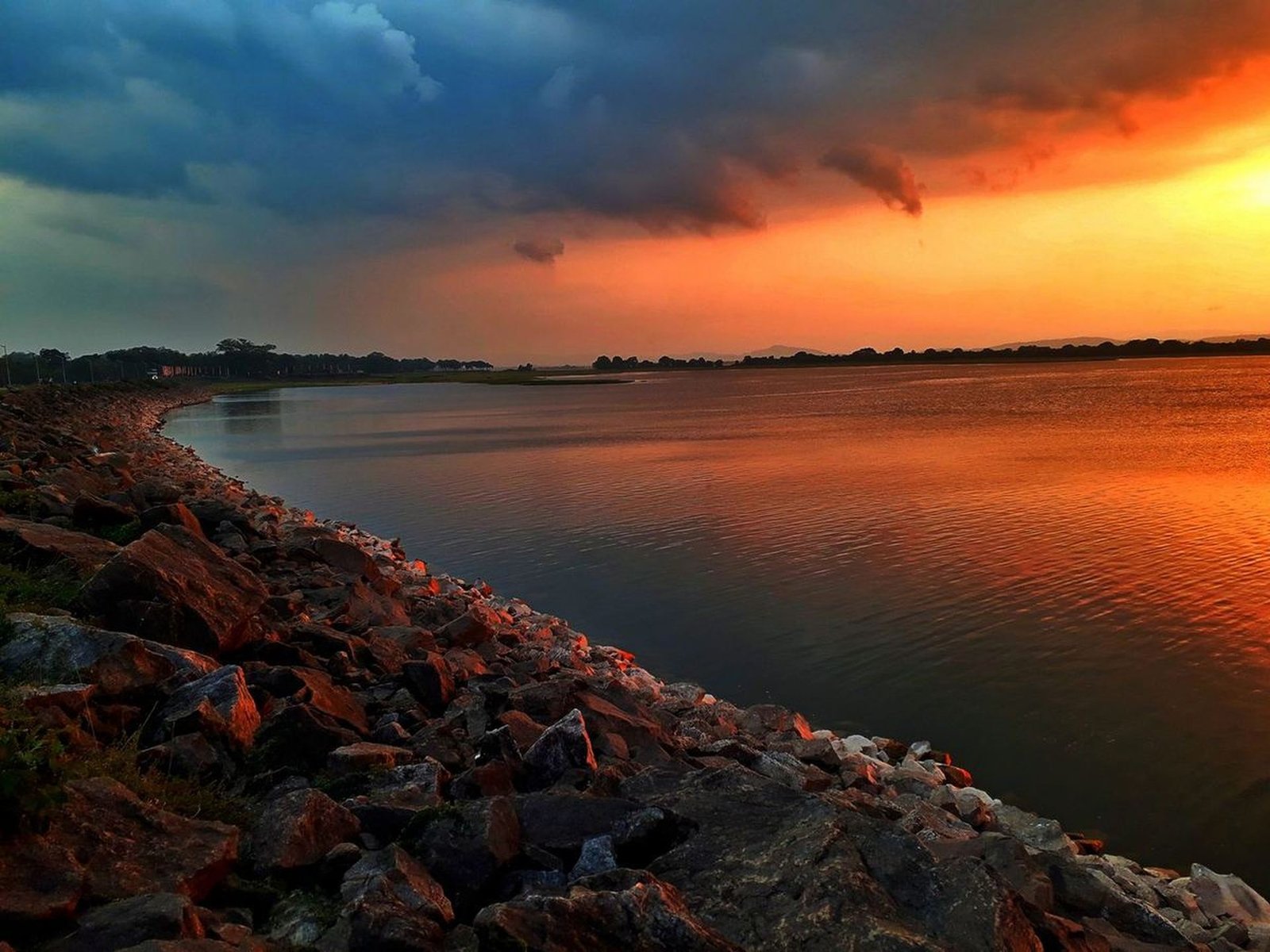


Photo credits go to the respective photographers.
Getting there
Polonnaruwa is about 5 hours by road from Colombo, or around 1.5 hours from Sigiriya and Habarana. The ruins spread along one main road, so most visitors explore by bicycle or by car with stops. It combines naturally with Sigiriya and an afternoon safari in Minneriya or Kaudulla.
Good to know
- Hire a bicycle at the entrance — the flat, shaded lanes are made for cycling.
- Monkeys live among the ruins — keep snacks and shiny objects tucked away.