

Yala National Park has one of the highest leopard densities in the world, alongside elephants, sloth bears, crocodiles and hundreds of bird species around its lagoons. A private jeep safari at dawn or dusk is the island's classic wildlife experience.
History & culture
Yala was declared a wildlife sanctuary in 1900 and a national park in 1938 — one of Asia's oldest protected areas. Its lagoons and rock outcrops hold older stories too: ancient monasteries such as Sithulpawwa and Magul Maha Viharaya show that this coast was sacred and settled over 2,000 years ago.
Hidden Gems
- Magul Maha Viharaya — an ancient temple near the park’s southern edge, linked by tradition to the marriage of King Kavantissa and Viharamahadevi.
- Katagamuwa Temple — the ruined temple deep in the park’s scrub, reached on a full-day drive.
- Tissa Dagoba and Yatala Vehera — two ancient stupas in Tissamaharama town, a short walk from the lodges.
- Kirinda — a fishing village and temple on the rocks by the sea, just south of the park gates.
- Tissamaharama’s tanks at dawn — the water tanks around town fill with birds at first light, before the jeeps leave.
Best Times to Visit
February to July is the dry season, when animals gather at the waterholes. The main block usually closes for part of September to mid-October for the drought.
Weather
Yala is hot and dry for much of the year, with the driest months from February to July — the best time to see animals at the waterholes. Short showers come with the north-east monsoon late in the year. Check the live 7-day forecast for Yala on forecast7.com →
Top Attractions
Yala is the island’s great wildlife stage: leopards in the scrub, elephants at the waterholes, and birds over the lagoons. These are the places and animals our guests enjoy most here.
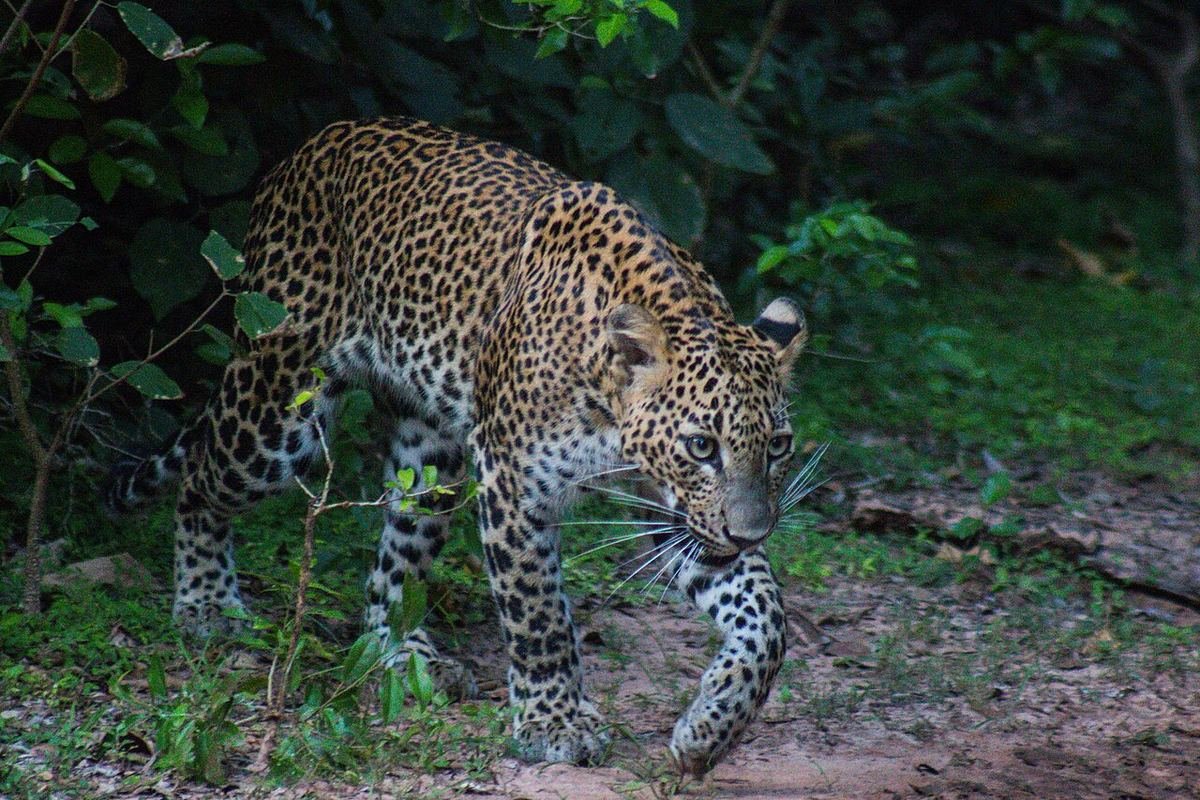 AdrianRanasinghe
Leopards of Yala
Yala has one of the highest leopard densities in the world. Dawn and dusk drives give the best chance of seeing one — on a rock, in a tree, or crossing the track ahead of your jeep.
View tours →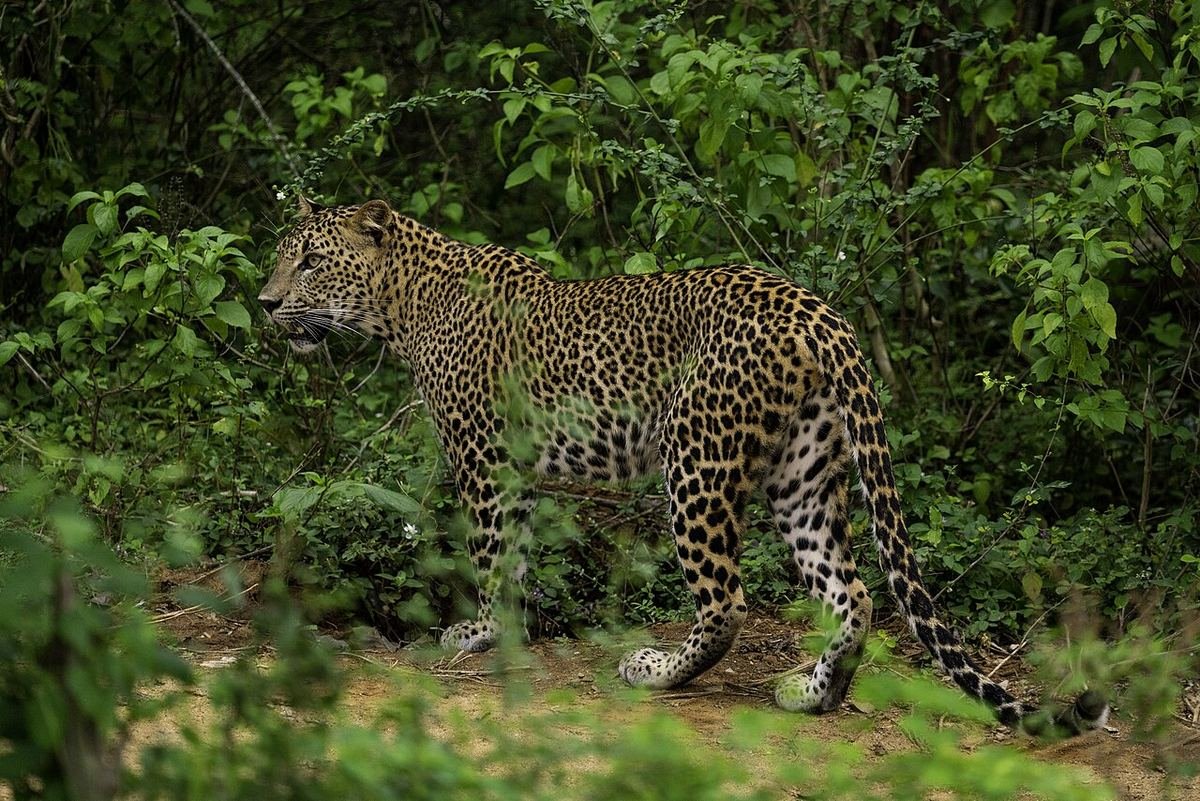 Leopard SpottingCasey Klebba
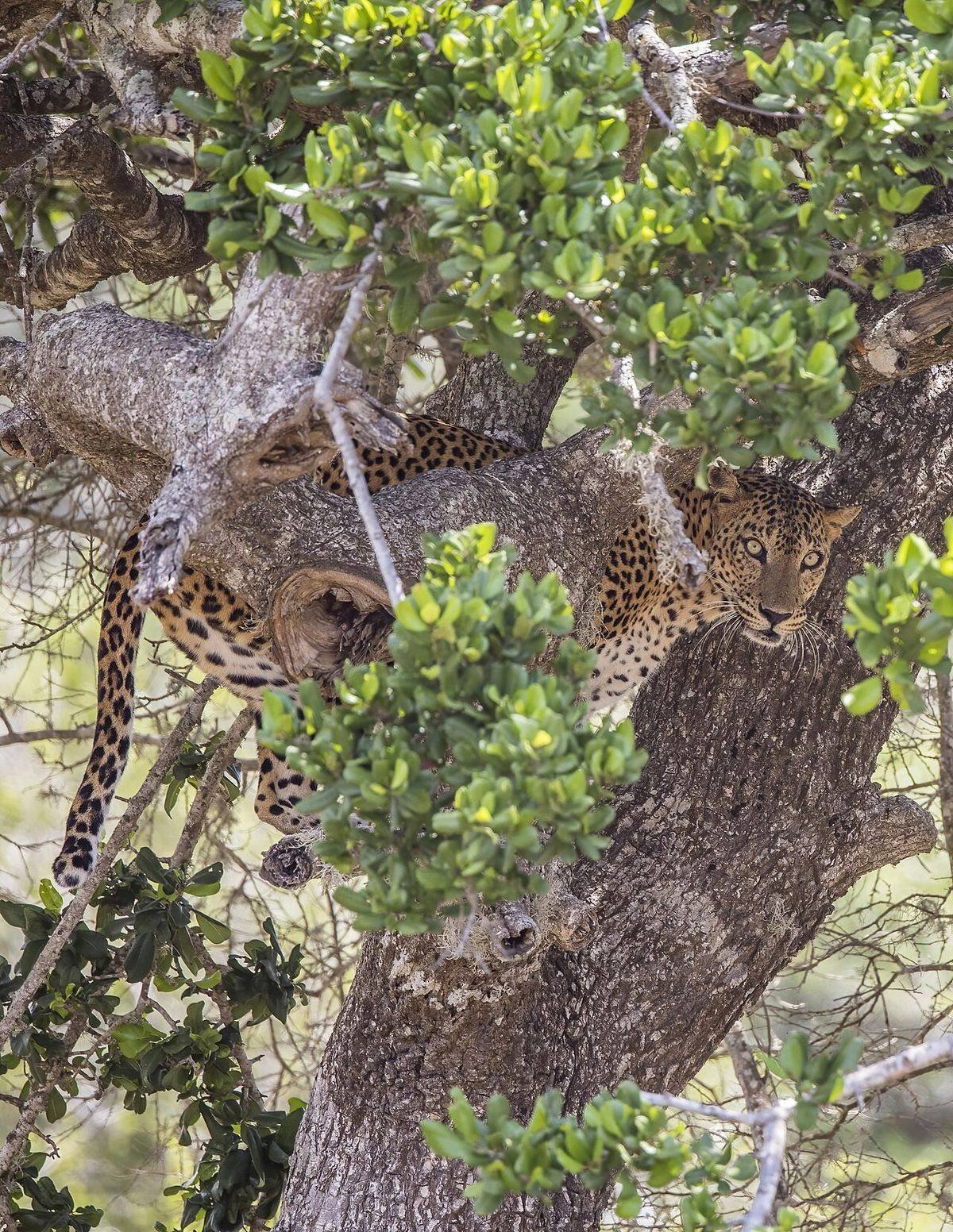 Leopard in a TreeCharles J. Sharp
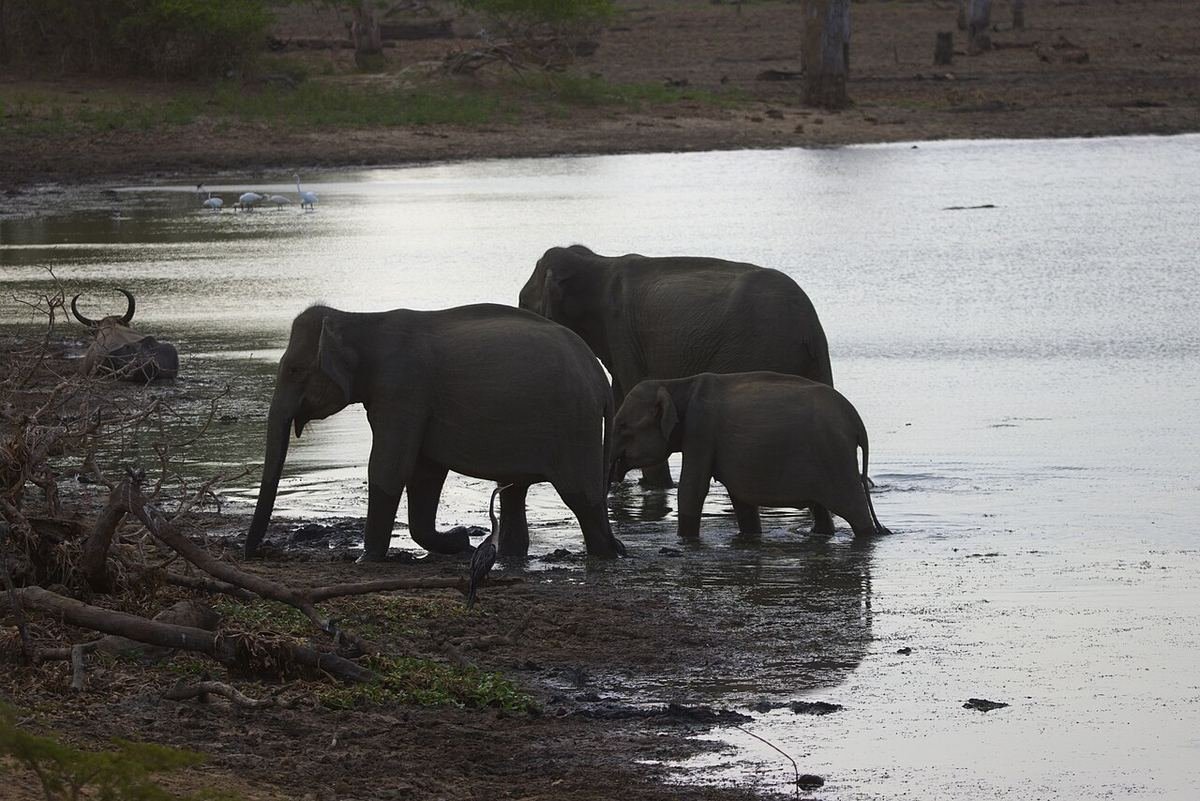 ElephantsC.J. Hatton
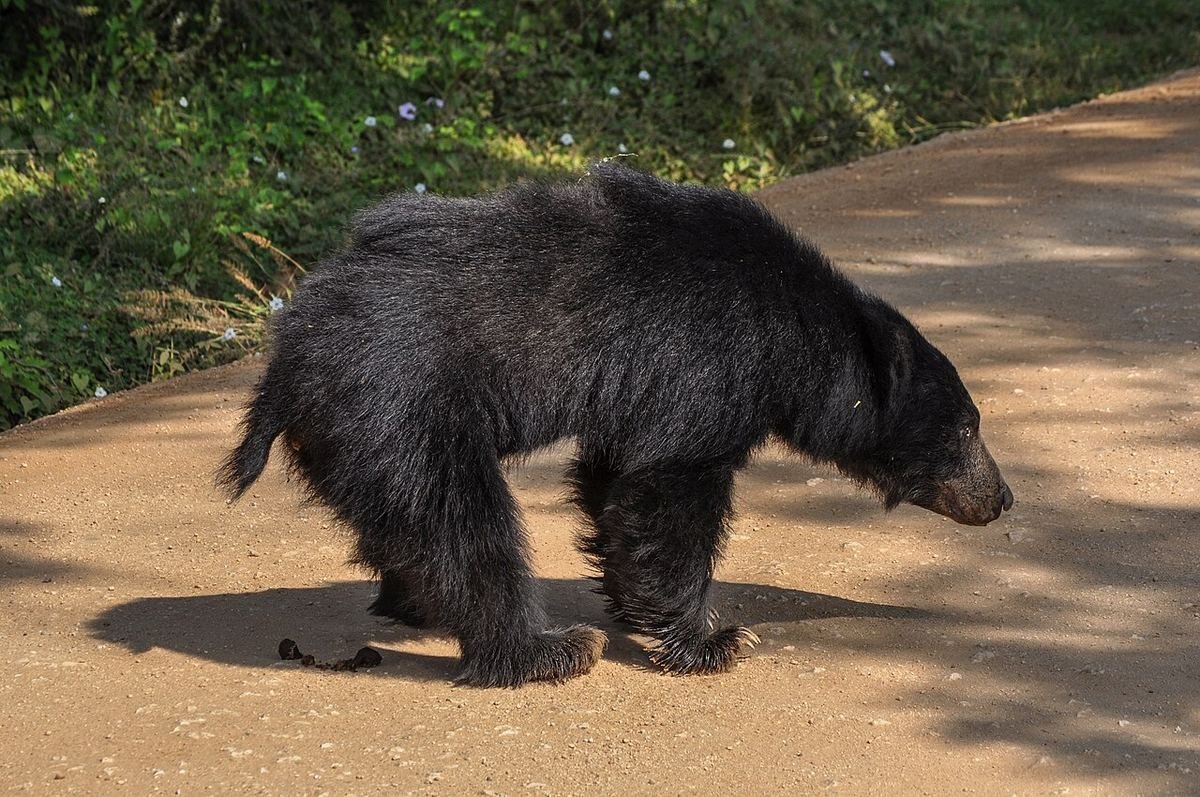 Sloth BearSenaka Silva
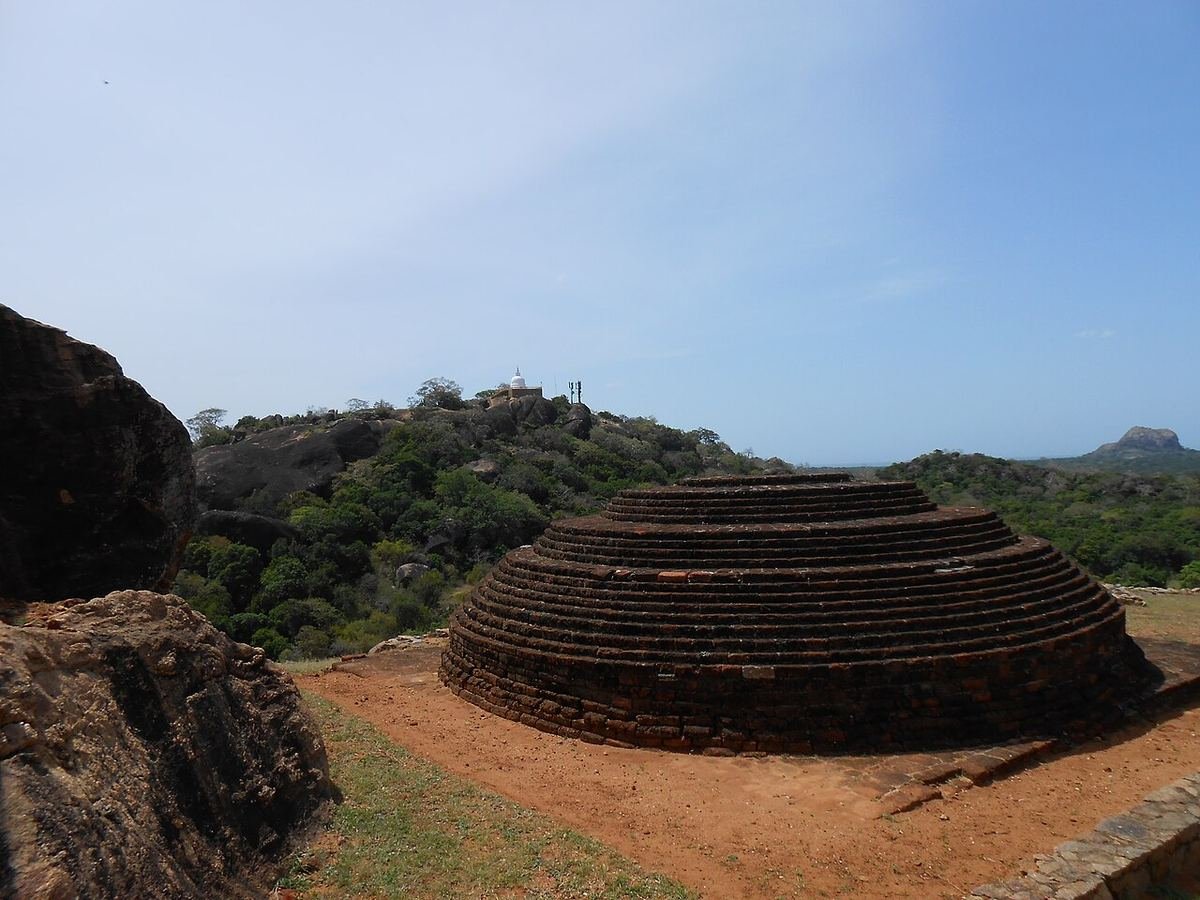 SithulpawwaLlrangaj
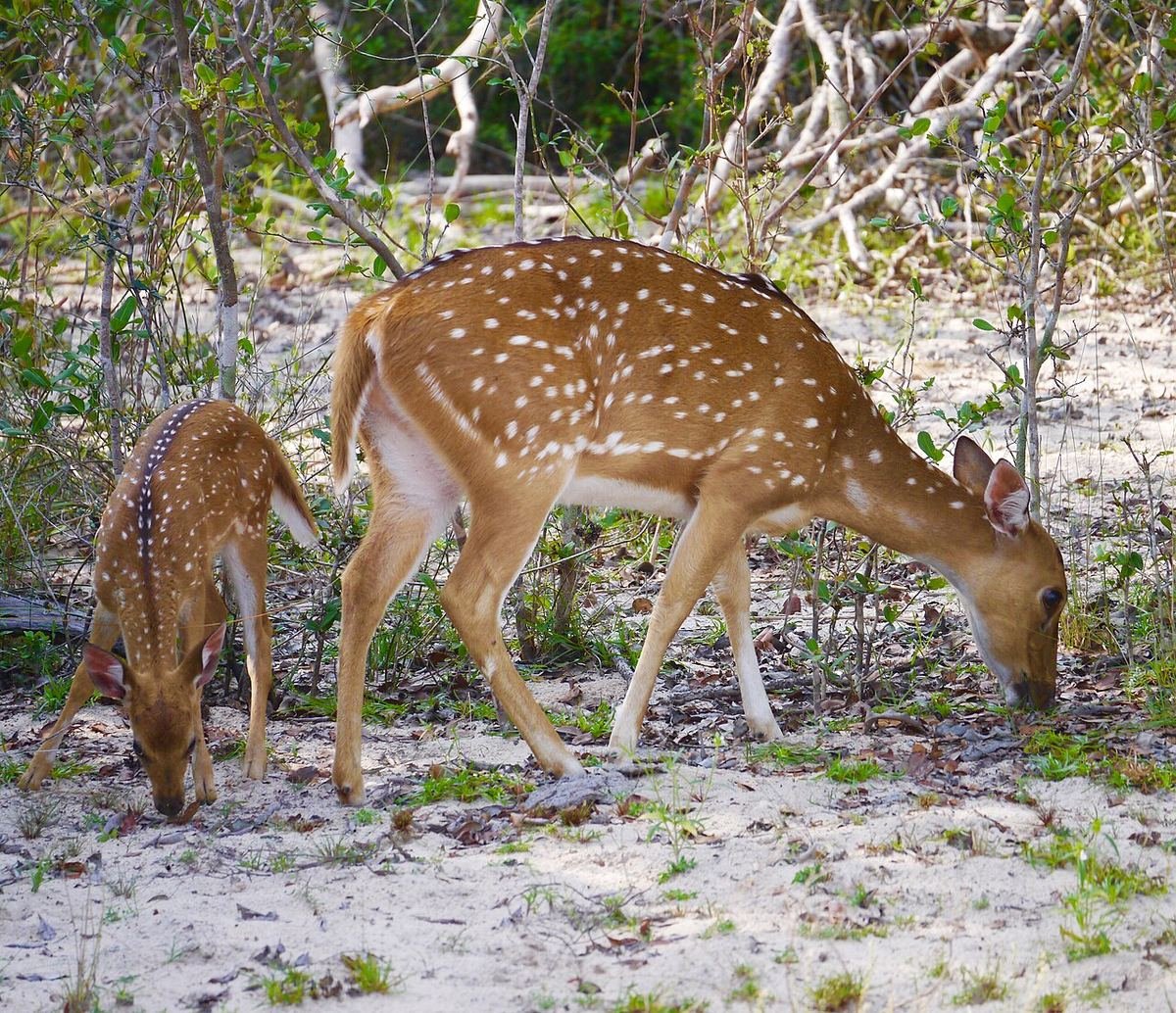 Spotted DeerCwij66
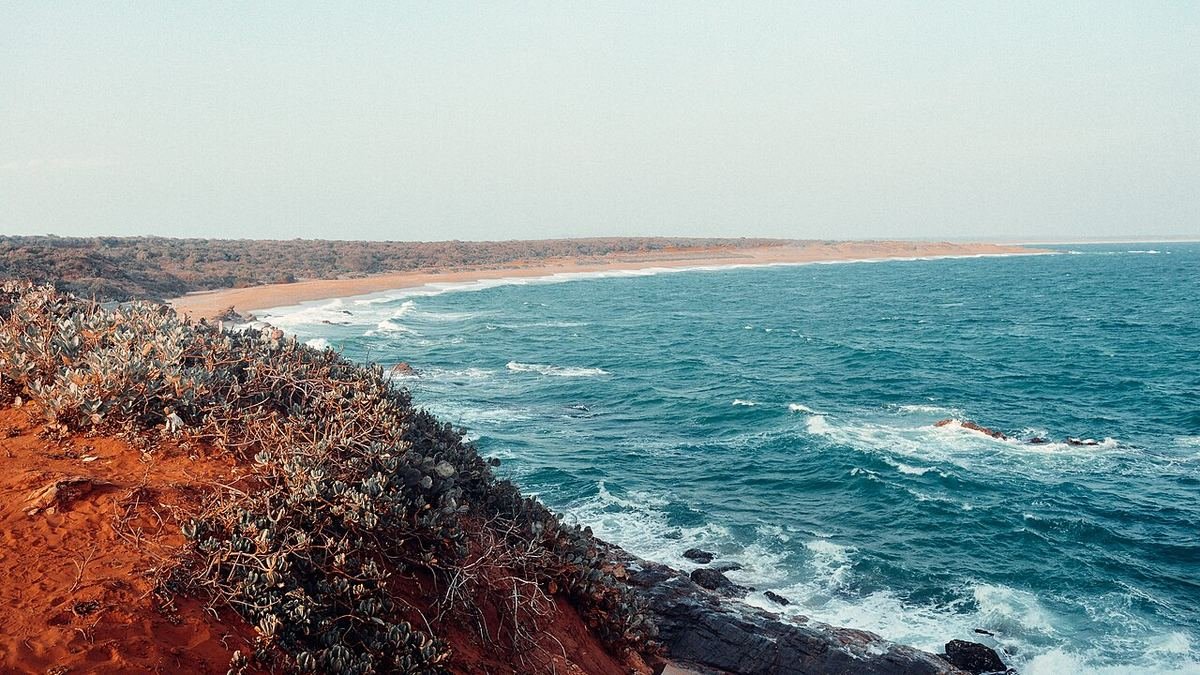 Bundala National ParkShenal Sadurshan
- Dawn and dusk jeep safaris for leopards
- Elephants, sloth bears and painted storks
- Sithulpawwa rock temple inside the park
- Combine with Kataragama's sacred shrines
- Birdwatching around the park's lagoons and tanks
- Bundala National Park, the Ramsar wetland next door
- A full-day safari, to reach the quieter corners
Where to Shop
Tissamaharama is a small town — the shopping is practical, not fancy. Small shops near the park gates sell sun cream, hats, binoculars and snacks for the drive, and the lodge shops stock postcards and simple souvenirs. Stock up in town before a dawn start, as little is open at 5 am.
Where to Eat
Eat a hearty Sri Lankan breakfast before dawn drives, and try fresh lake fish and curd with treacle around the Tissa tank. Most lodges serve dinner after the evening drive, so book a half-board stay if you can.
Top Accommodations
Stay in Tissamaharama or Kirinda — safari lodges, tented camps and family accommodations sit between the town and the park gates. We list hand-checked 3-star and 4-star stays in Yala — lodges, camps and guesthouses, all with breakfast included. See the full list of places to stay in Yala, with photos and prices, on our accommodations page.
Location Gallery
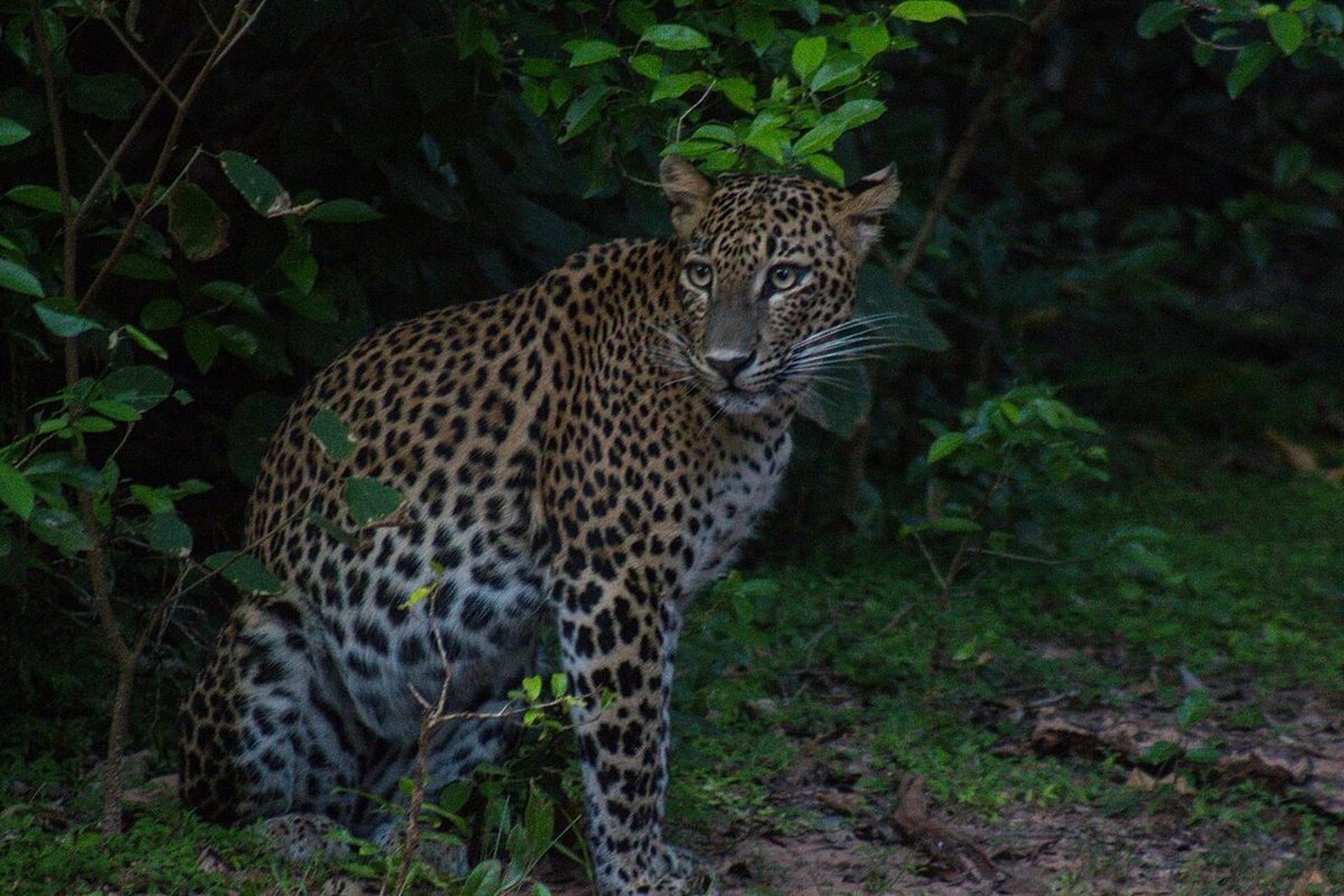
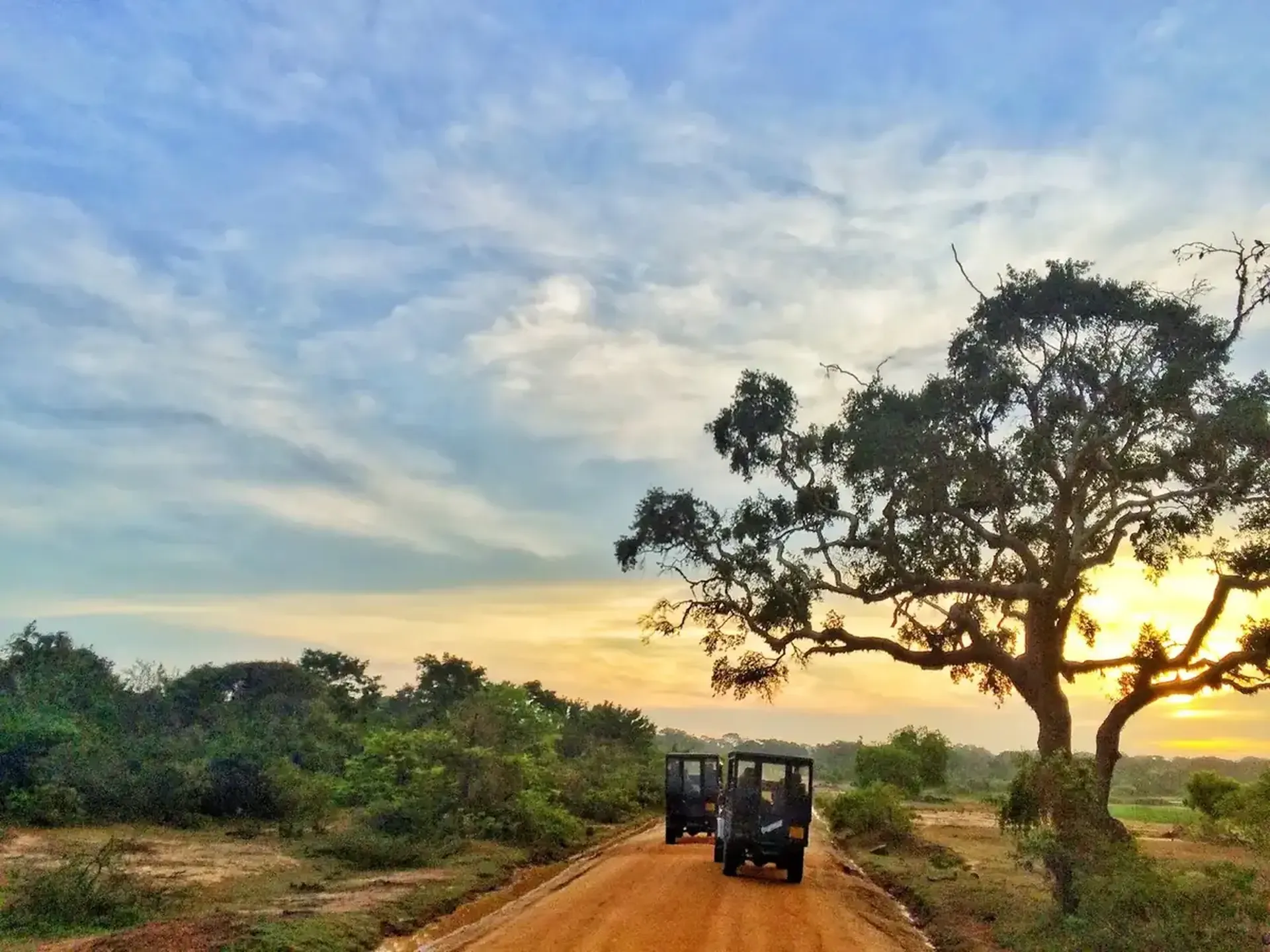

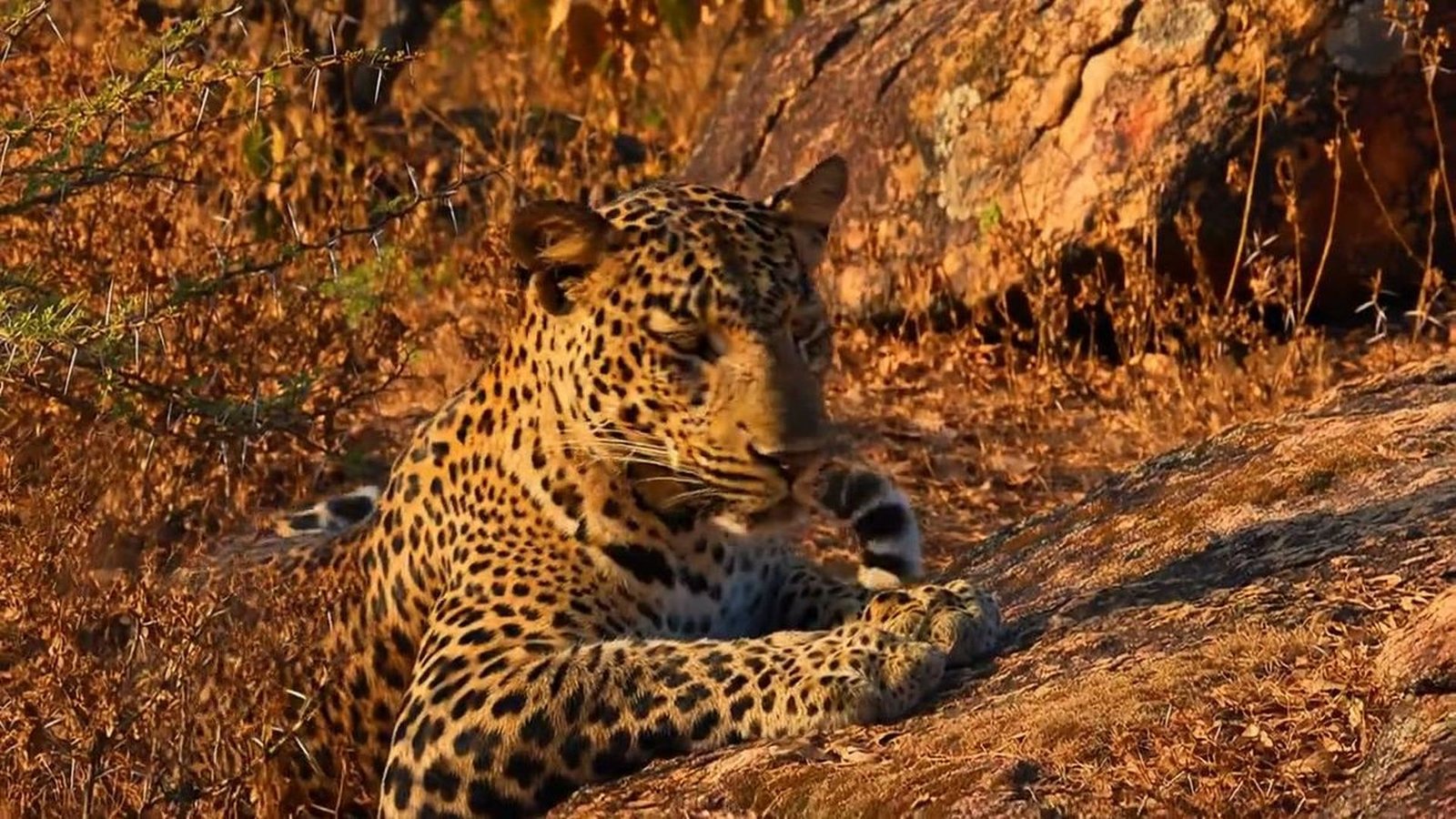
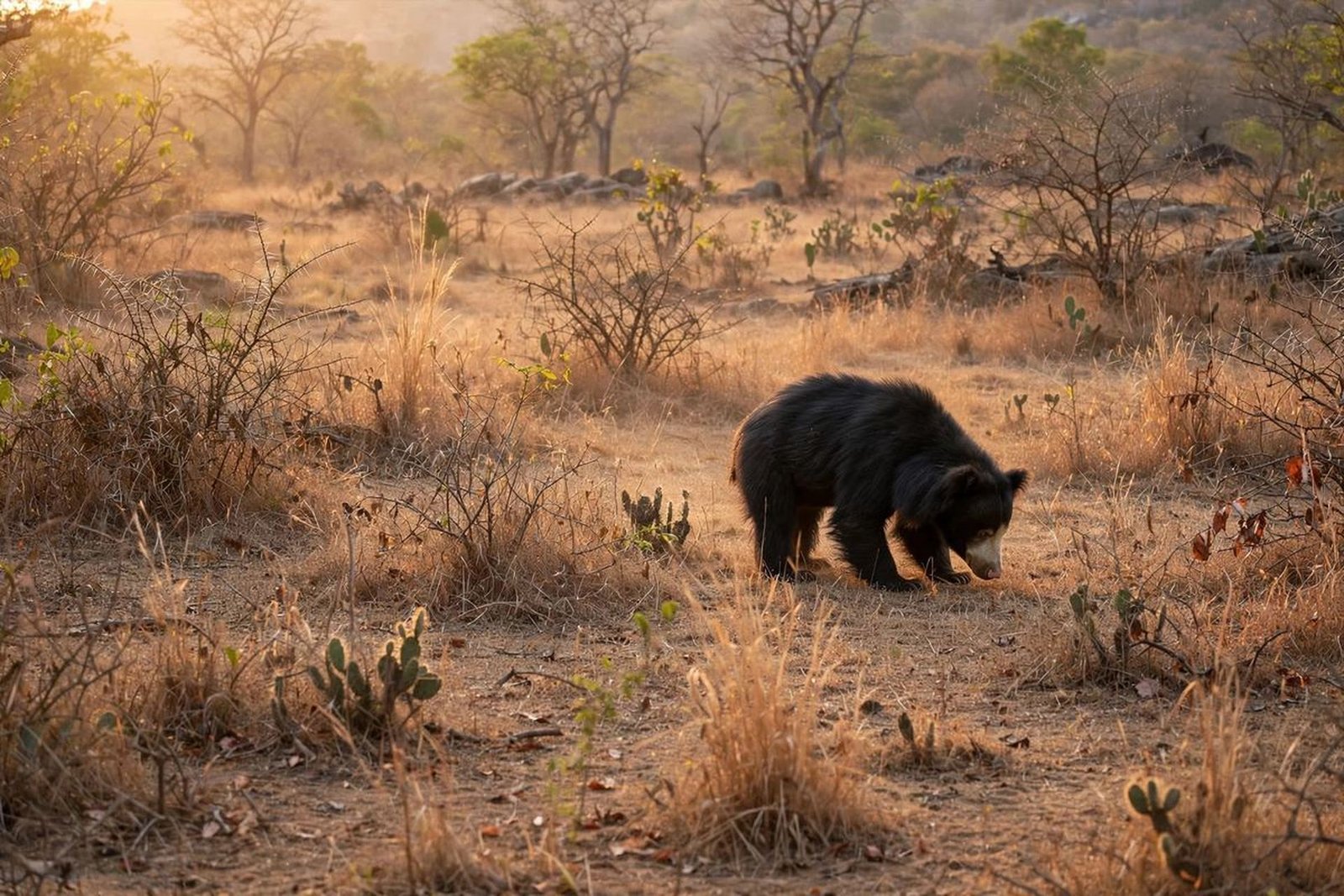
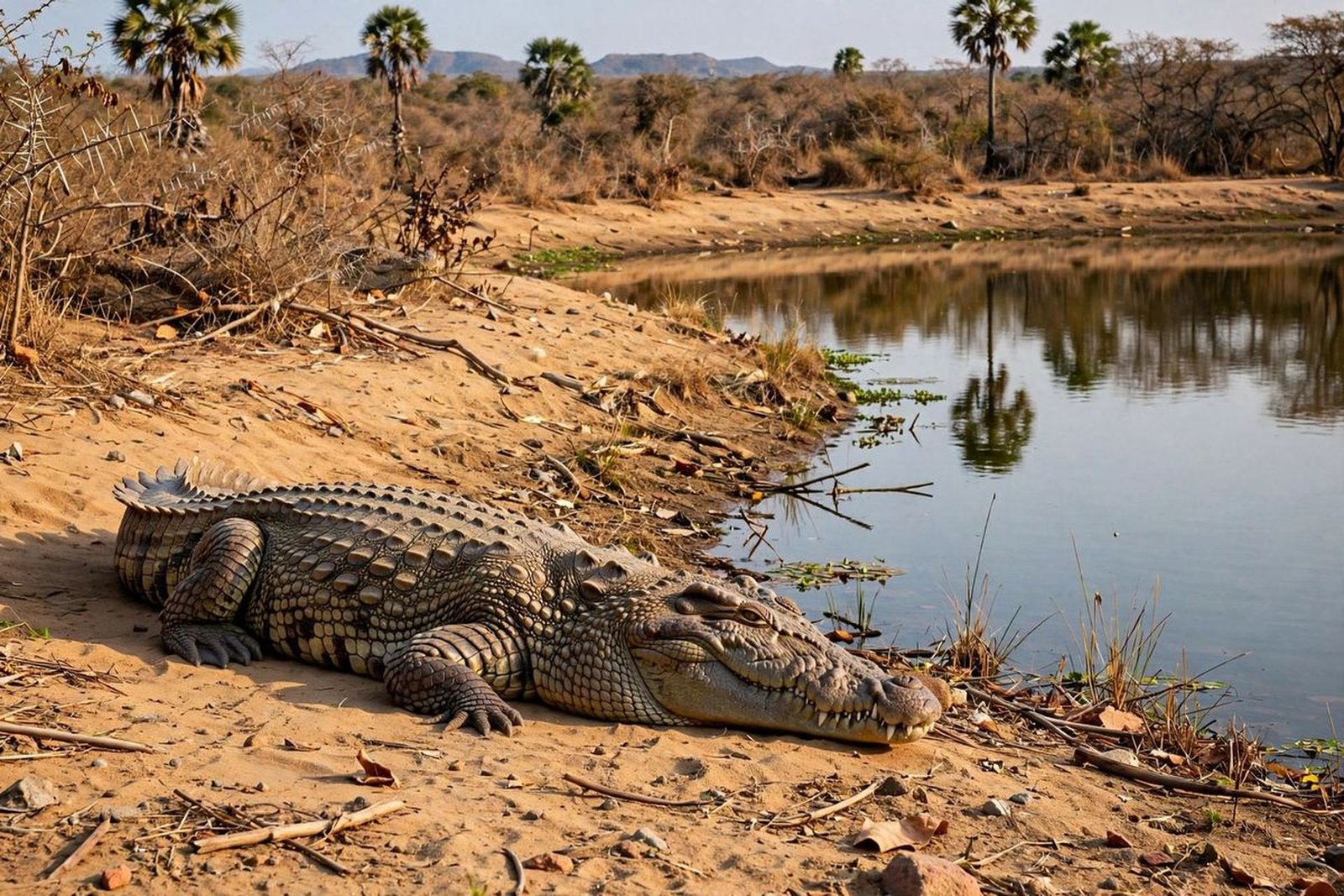
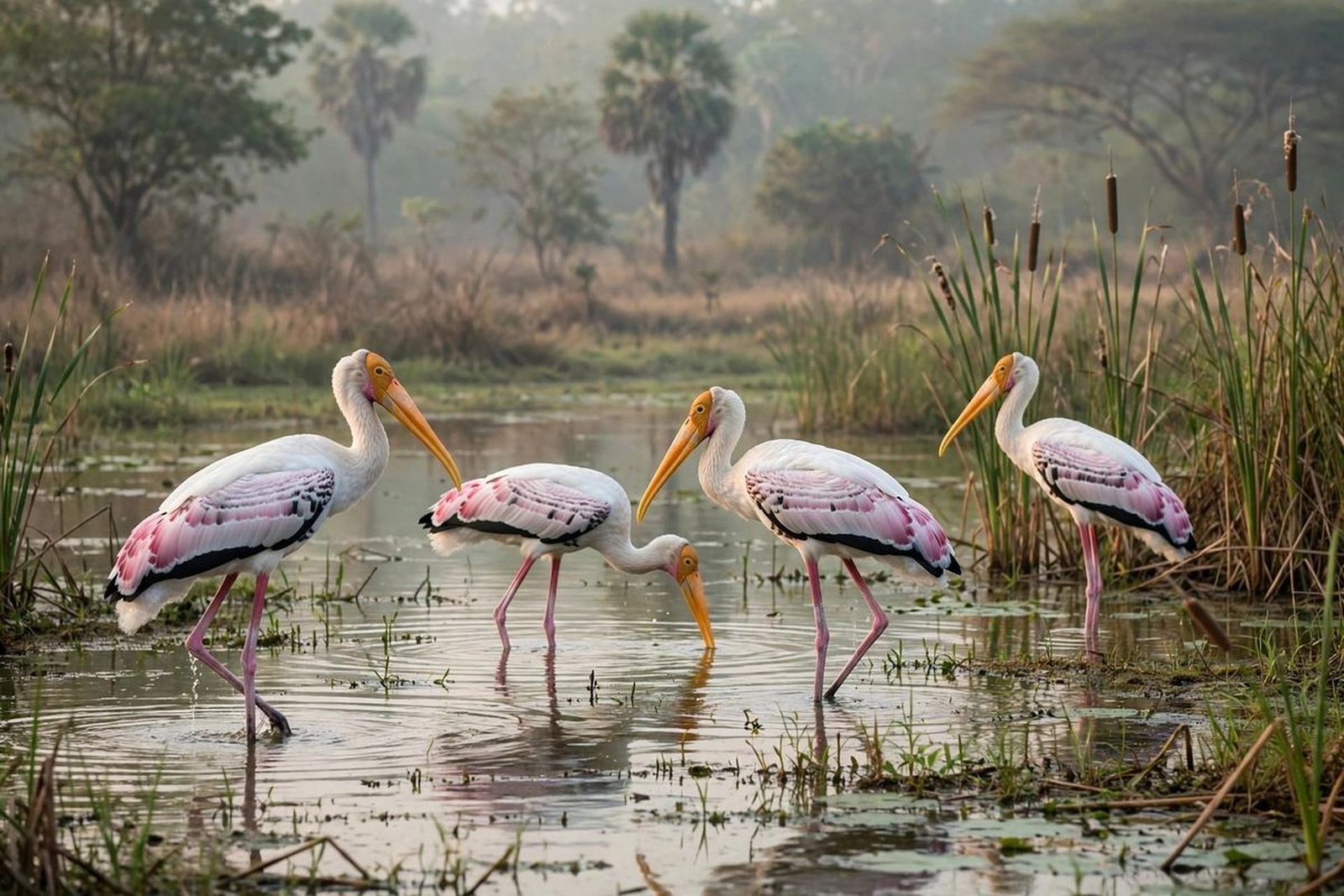
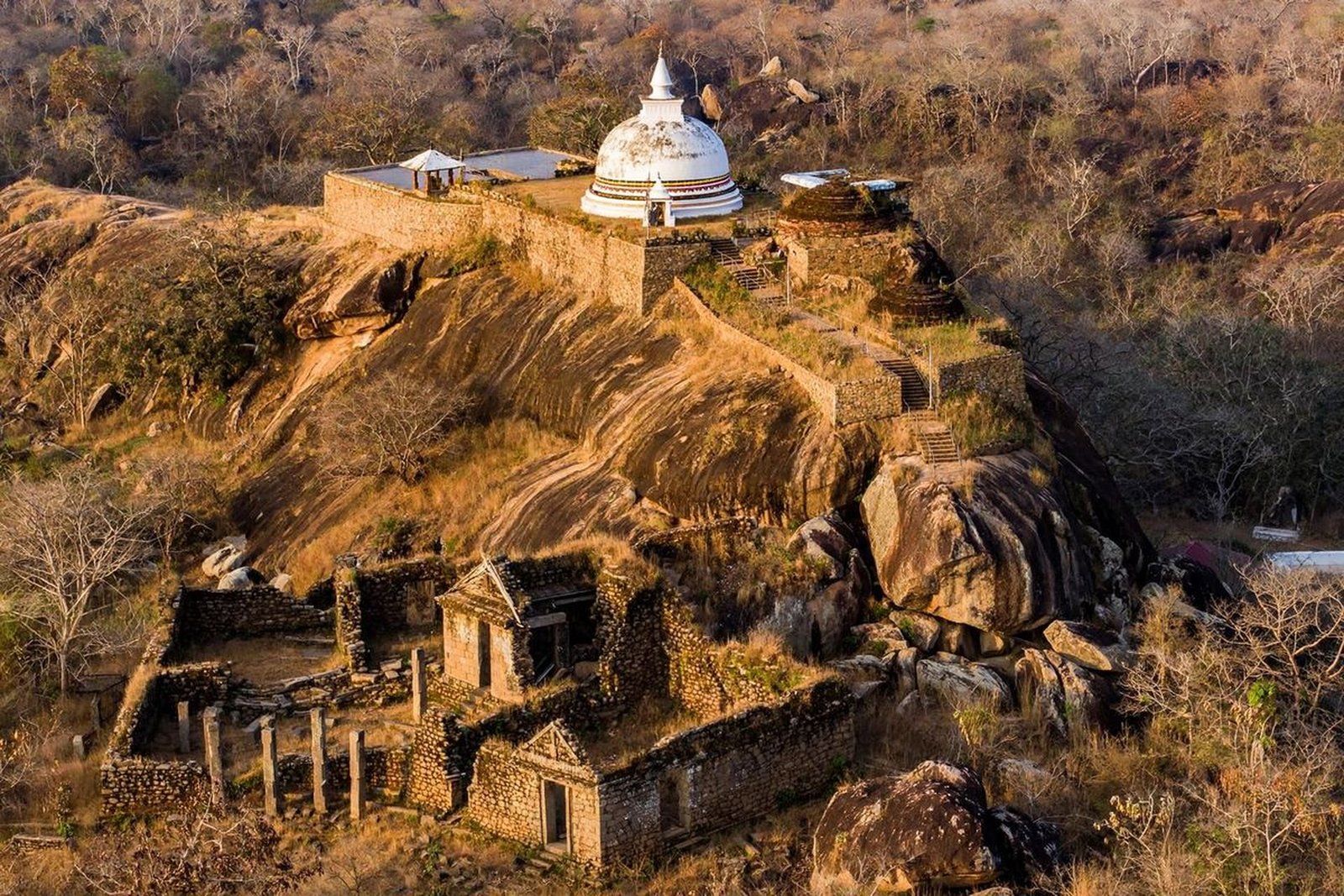
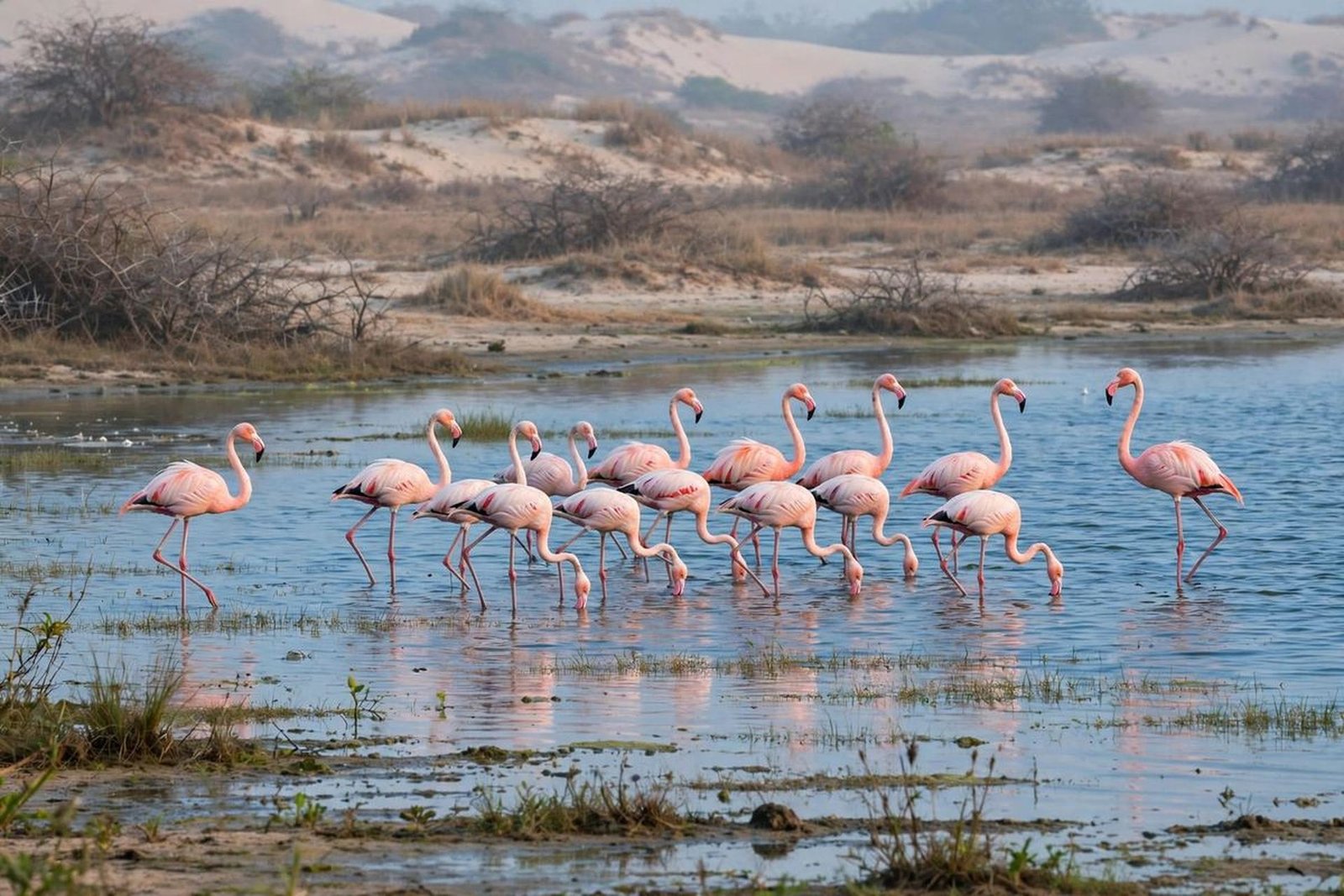
Photo credits go to the respective photographers.
Getting there
Yala is about 5 to 6 hours by road from Colombo, usually combined with the south coast or Ella. Safaris start from Tissamaharama and Kirinda, where the lodges are. Game drives leave at dawn and in the mid-afternoon, when animals are most active — your lodge and driver will arrange the jeep and park entry.
Good to know
- Book jeeps ahead in the February to July peak — the best naturalist drivers are reserved first.
- Wear neutral colours, bring a hat and a zoom lens, and keep voices low near animals.